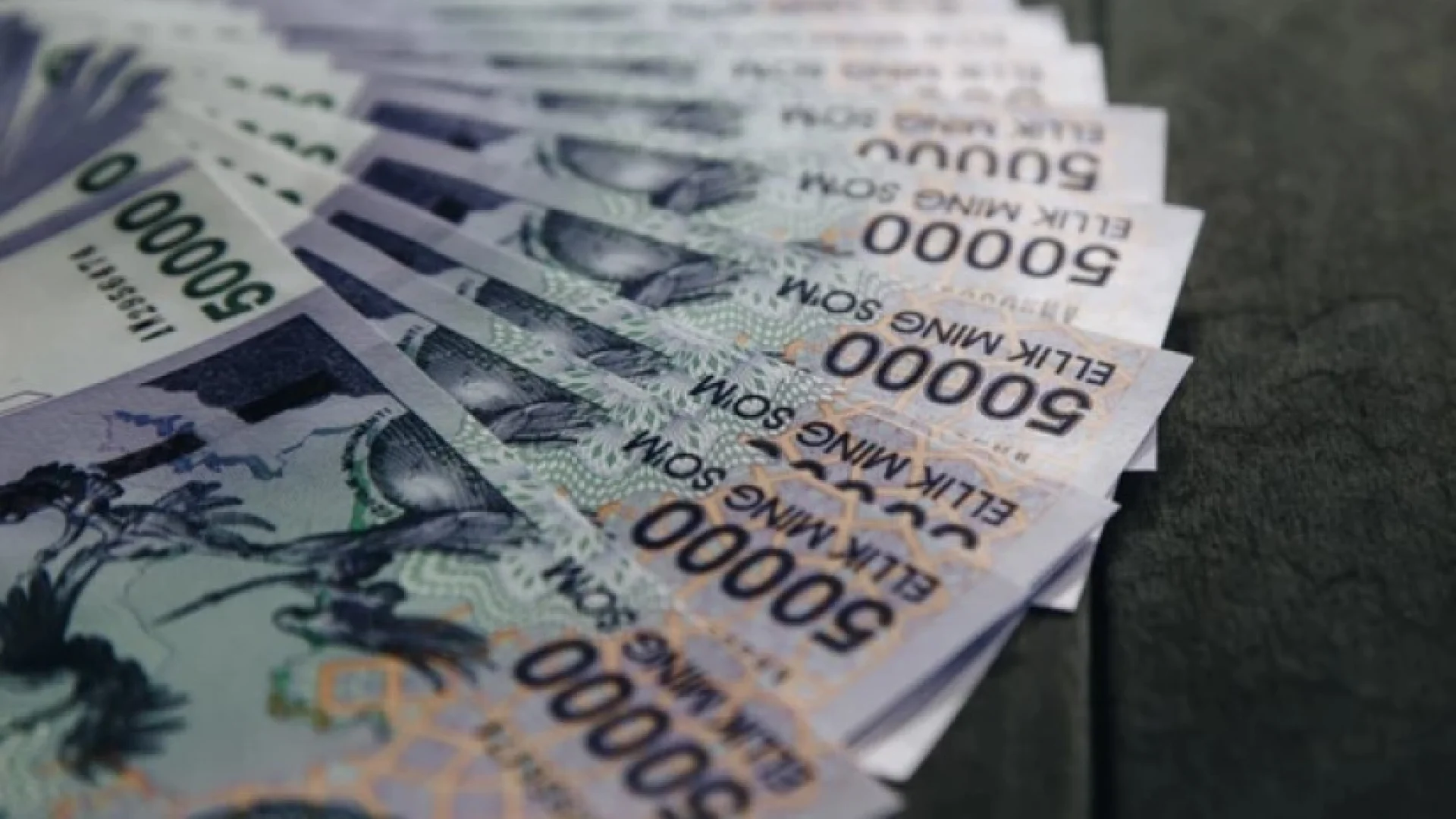
Uzbekistan has made significant strides in economic growth and financial stability in recent years. As of 2026, the Central Bank's policy interest rate is maintained at 14.00%, which serves as the foundation for credit and deposit rates across the country. These developments in the banking sector present a great opportunity for both local and international investors.
For long-term deposits, average interest rates range from 18% to 21% and above. The average for December 2025 is estimated to be around 18.4%. These high deposit interest rates increase the expectations of savers regarding returns.
On the other hand, credit interest rates are significantly above the policy rate set by the Central Bank. In the banking sector, average credit interest rates fall within the range of 21% to 23% and above. This is a situation that individuals and businesses seeking loans should take into consideration.
The interest rates in Uzbekistan serve as an important indicator for investors and savers. These rates are directly related to economic growth, inflation, and monetary policies. When making investment decisions, considering the current interest rates will help you make healthier financial choices.
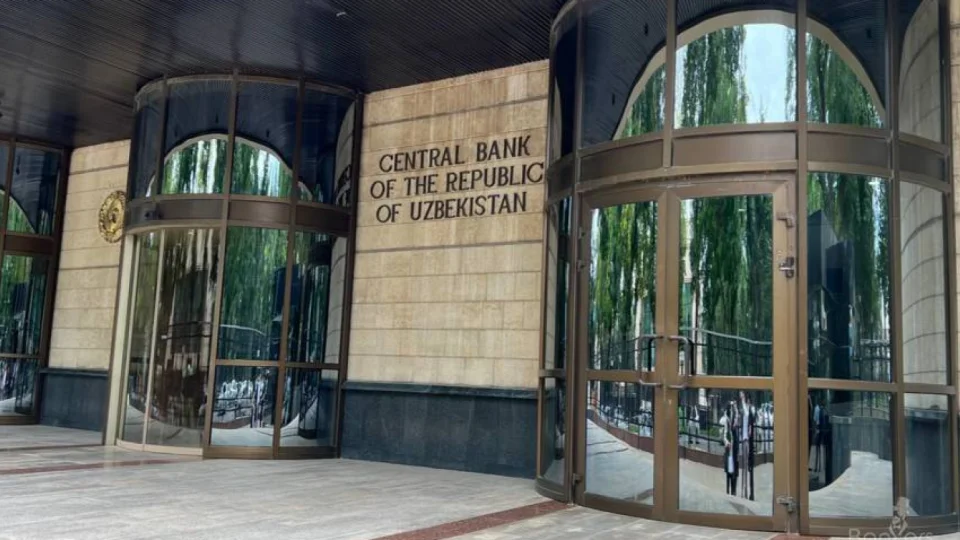
The policy interest rate set by the Central Bank of Uzbekistan plays a critical role in ensuring economic stability and the healthy functioning of the financial system in the country. As of 2026, this policy interest rate is maintained at a level of 14.00%. This rate serves as an important foundation for determining the interest rates on loans and deposits offered by banks. In particular, the central bank's interest rates are directly related to inflation targets and economic growth expectations. A high policy interest rate is typically implemented to control inflation, while also influencing the decisions of investors and savers.
Loan interest rates, on the other hand, tend to be significantly higher than the policy interest rate, depending on bank policies and market conditions. Average loan interest rates in the banking sector range from 21% to 23% and above. This situation can particularly affect the demand for personal and commercial loans. High loan interest rates make borrowing more costly, while also being an important factor in the evaluation of savings.
As of 2026, the Central Bank of Uzbekistan maintains the policy interest rate at 14.00%. This rate plays a significant role in determining the credit and deposit interest rates in the country. Deposit interest rates in Uzbekistan's banks, denominated in the national currency, the soum, are generally at high levels. Particularly for long-term deposits, the average interest rate ranges from 18% to 21%, with some banks offering rates even higher than these levels. For instance, the average for December 2025 was recorded at approximately 18.4%.
On the other hand, credit interest rates are significantly higher than the policy rate. Average credit interest rates in the banking sector range from 21% to 23% and above, which constitutes a significant cost factor for individuals and businesses looking to obtain loans. The high levels of credit interest rates can particularly pose challenges for small and medium-sized enterprises in meeting their financing needs.
In conclusion, the deposit and credit interest rates in Uzbekistan are shaped by the Central Bank's policy rate and reflect the economic dynamics. While high deposit interest rates offer attractive opportunities for savers, those seeking loans must undergo a careful evaluation process.
As of 2026, the Central Bank of Uzbekistan maintains the policy interest rate at 14.00%. This rate stands out as a key determinant of credit and deposit interest rates across the country. The impact of the Central Bank's policy rate is directly felt in the conditions under which banks lend and accept deposits. Deposit interest rates in Uzbekistan, denominated in the national currency, the soum, generally remain at high levels. Particularly for long-term deposits, interest rates are observed to be at levels of 18%–21% and above. As of December 2025, the average deposit interest rate was recorded at 18.4%.
Among the key factors determining credit interest rates, the country's economic situation and inflation rates are among the most important. Economic growth, demand and supply imbalances, and other elements are primary factors influencing the trend of interest rates. Additionally, banks' costs and competitive conditions also play a crucial role in determining credit interest rates. In Uzbekistan, banks' efforts to generate resources by offering high deposit interest rates lead to an increase in credit interest rates.
As of 2026, the Central Bank of Uzbekistan's policy interest rate remains stable at 14.00%. This rate serves as the foundation for credit and deposit interest rates in the country, playing a significant role in the financial markets. In particular, long-term deposit interest rates stand out with attractive rates offered by banks. Deposit interest rates in the national currency, soum, generally remain high, with average levels seen at 18%–21% and above for long-term deposits. This situation presents a significant advantage for savers.
Another advantage of long-term deposits is that they typically offer a lower risk profile. Savers can achieve a certain return by making long-term investments without being affected by market fluctuations. Additionally, since long-term deposits usually offer higher interest rates, they help investors generate more earnings.
In conclusion, long-term deposit accounts in Uzbekistan provide an attractive option for savers with high interest rates and a low risk profile. However, investors need to carefully evaluate the terms of these accounts and make decisions based on their own financial needs.
The banking sector in Uzbekistan has shown significant development as of 2026. Particularly, the Central Bank's policy interest rate remains stable at 14.00%, which forms the basis for loan and deposit interest rates. This policy has a direct impact on banks' deposit interest rates, and generally high deposit rates are becoming attractive for investors. Average interest rates on long-term deposits in Uzbekistan are occurring at levels of 18%–21% and above, which aligns with the average rate of 18.4% recorded in December 2025.
However, loan interest rates are noteworthy as they are significantly above the Central Bank's policy rate. In the banking sector of Uzbekistan, loan interest rates are averaging between 21%–23% and above. These high rates may negatively affect the demand for individual and corporate loans. Particularly, small and medium-sized enterprises may face difficulties due to financing costs.
In conclusion, while the banking sector in Uzbekistan is notable for its high deposit interest rates, it faces certain challenges due to the high cost of loans. This situation is an important factor that banks need to consider when determining their future strategies. For the healthy growth of the banking system in the country, it is necessary to balance interest rates.
